Mechanisms of
Life History Evolution
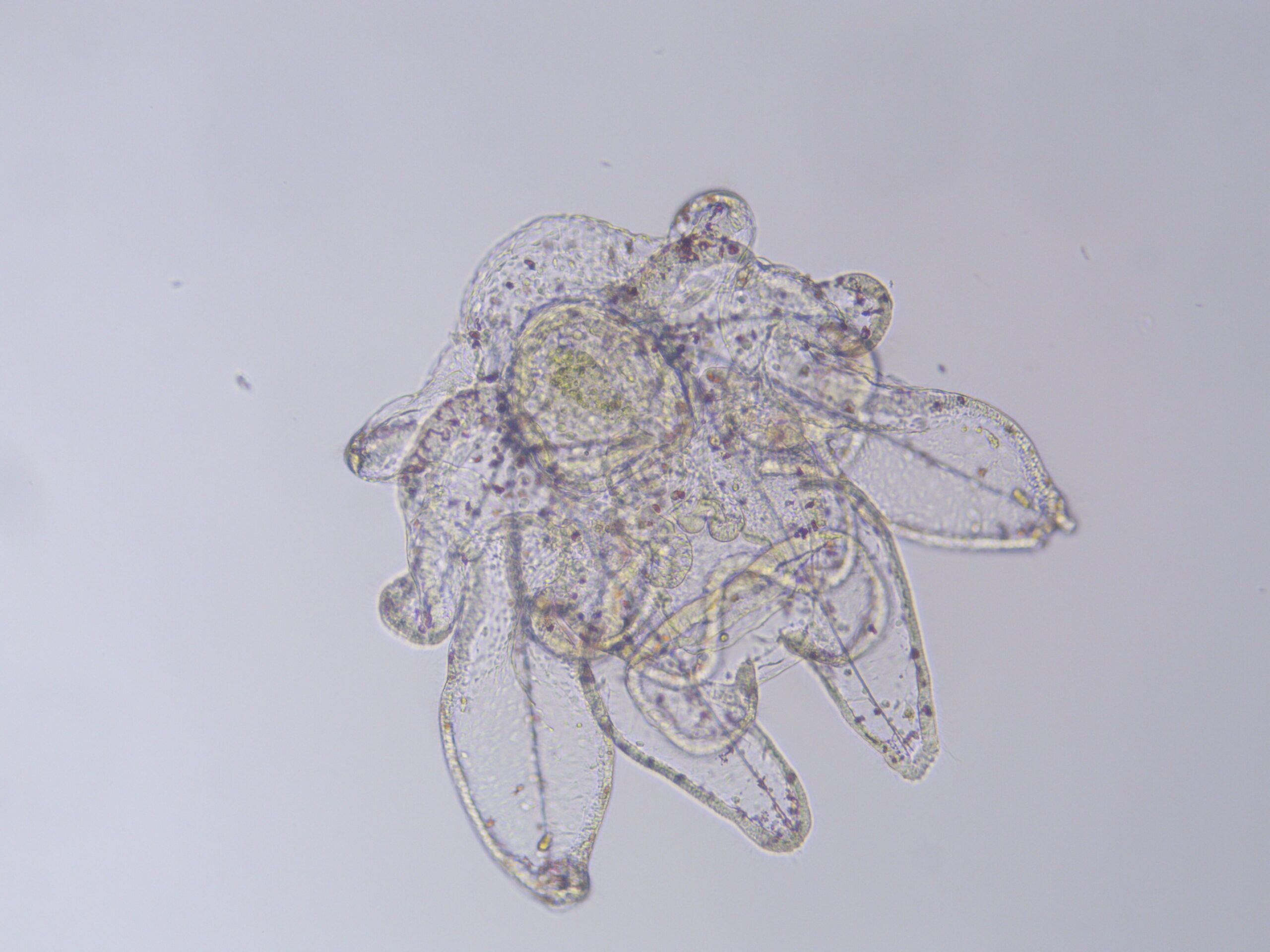
Life histories vary widely across animals, shaped by ecological factors, developmental constraints, and evolutionary trade‑offs. Our research examines the mechanistic basis of this diversity by investigating how environmental cues interact with physiological and molecular pathways to influence life‑cycle strategies. We focus on animals with complex life cycles—particularly echinoderms, crustaceans, and amphibians—to understand how larval environments affect juvenile and adult phenotypes, including skeletal development, brain growth, immune function, and reproductive output. By integrating endocrine biology, developmental plasticity, and evolutionary theory, we explore how organisms modulate developmental trajectories in response to environmental variability, and how these responses are transmitted across generations. This includes studying transgenerational plasticity, maternal effects, and the evolutionary significance of deferred‑use cell populations. Our goal is to identify general principles that link developmental processes to macroevolutionary patterns, providing a mechanistic foundation for understanding how life histories evolve and respond to rapid environmental change.
Our Work on This Topic

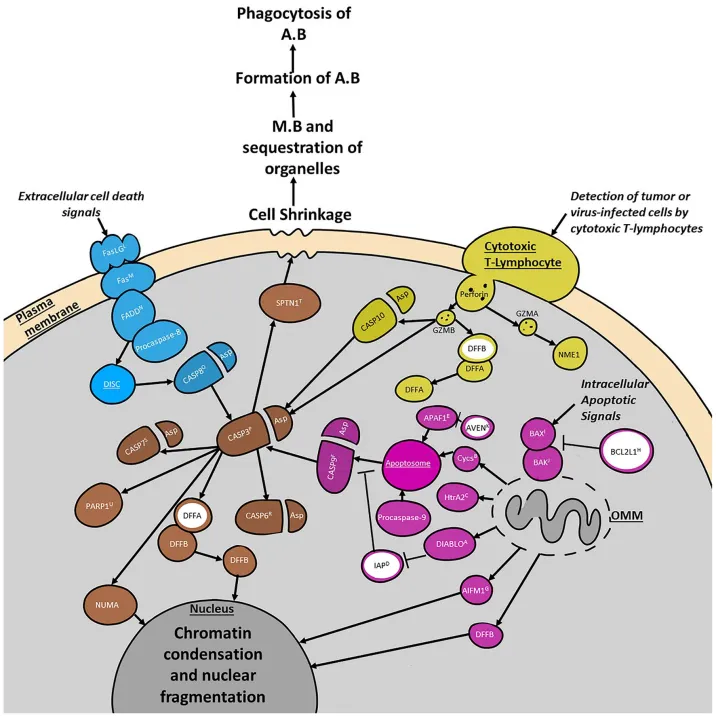
Connects endocrine regulation to major life‑history transitions.
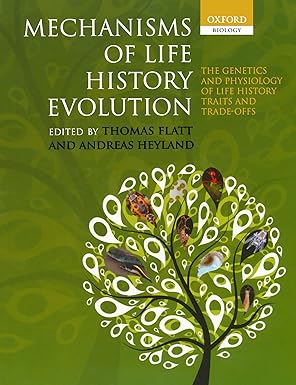
A synthesis on how developmental, physiological, and genetic mechanisms shape life‑history traits and trade‑offs, arguing that integrating mechanistic biology with evolutionary theory is essential for understanding how growth, reproduction, and survival evolve.
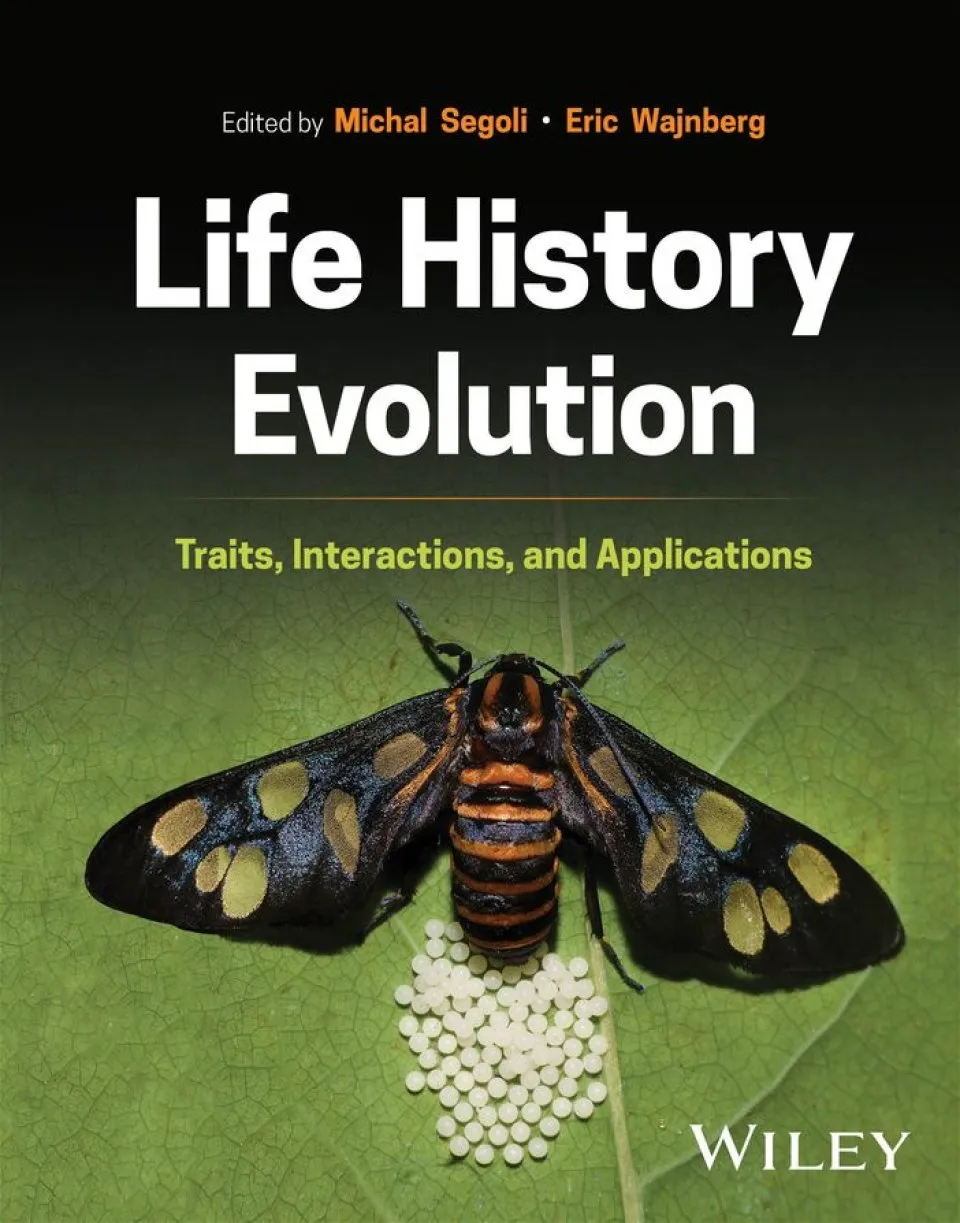
A conceptual synthesis linking developmental processes to life‑history diversification in animals.