Microalgae Physiology and Biotechnology
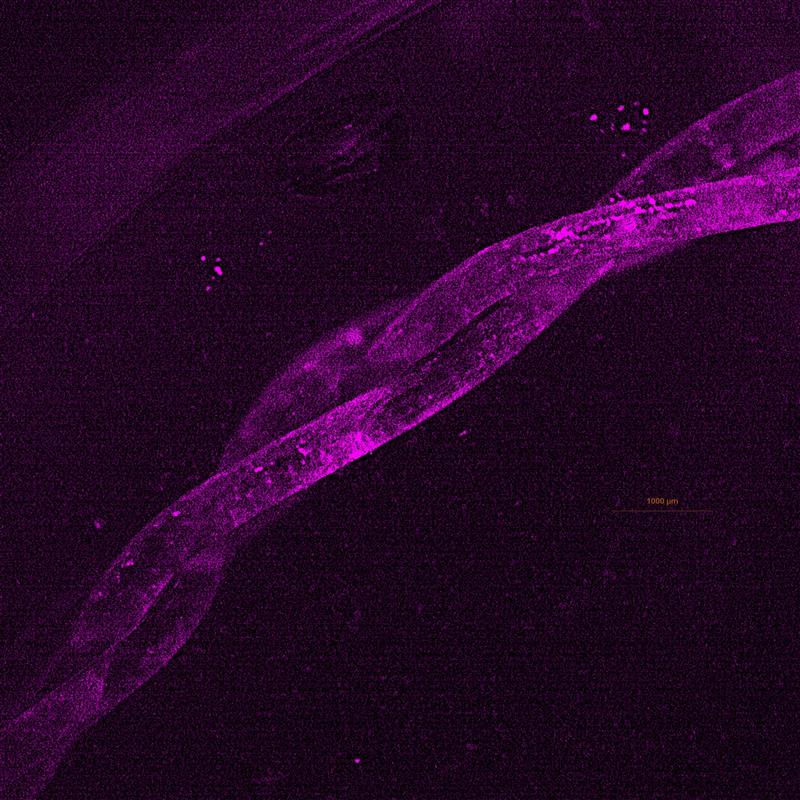
Microalgae are central players in aquatic ecosystems and offer transformative potential for sustainable biotechnology. Our research investigates the physiological, metabolic, and ecological traits that make microalgae valuable for water treatment, nutrient cycling, and bioprocess engineering. We study how microalgae respond to environmental stressors, how they interact with bacterial partners, and how these interactions shape biofilm structure, productivity, and resilience. By integrating high‑throughput growth screening, metabolite profiling, and photobioreactor engineering, we optimize algal systems for applications ranging from nutrient removal to carbon capture and biomass production. Our work also explores mixotrophic and biofilm‑based growth strategies that enhance efficiency and reduce operational costs in engineered systems. Through industrial collaborations, we translate fundamental physiological insights into practical solutions for sustainable aquaculture, wastewater treatment, and environmental biotechnology.
Our Work on This Topic

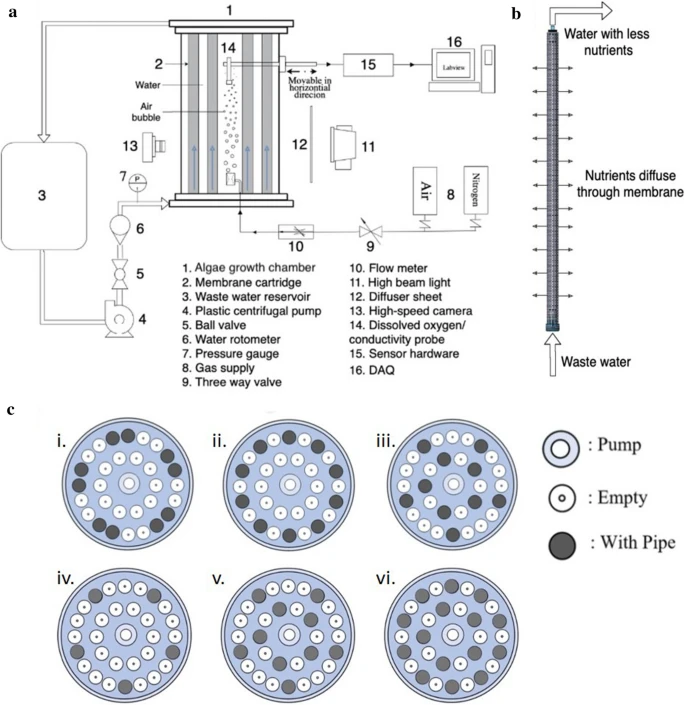
This article demonstrates that a novel algae‑based nutrient removal system—optimized through airlift‑driven mixing, membrane‑mediated mass transfer, and controlled flow dynamics—achieves efficient nutrient uptake, stable algal growth, and scalable performance suitable for aquaculture wastewater treatment.