
Phytoplankton and
Wastewater Treatment
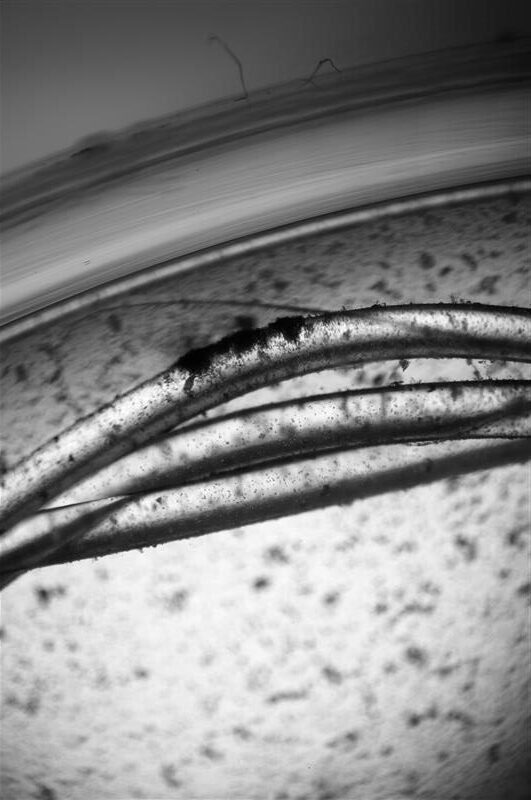
Phytoplankton communities play a pivotal role in water quality and ecosystem health, yet they also pose challenges in drinking water production, aquaculture, and wastewater management. Our research aims to understand how phytoplankton diversity, stress physiology, and community interactions influence water treatment performance. We use molecular barcoding, high‑throughput cell characterization, and single‑cell screening tools to assess bloom composition, resilience to UV‑C and other treatment processes, and potential for toxin production. In collaboration with industry partners, we design novel reactor systems—including side‑glowing fiber biofilm units—to improve nutrient removal, biofilm formation, and overall treatment efficiency. By linking phytoplankton biology to engineering innovation, we develop nature‑inspired technologies that enhance water purification, reduce treatment costs, and support sustainable aquatic resource use. This research bridges fundamental microbial ecology with applied environmental engineering to address urgent challenges in water security and ecosystem stewardship.
Our Work on This Topic


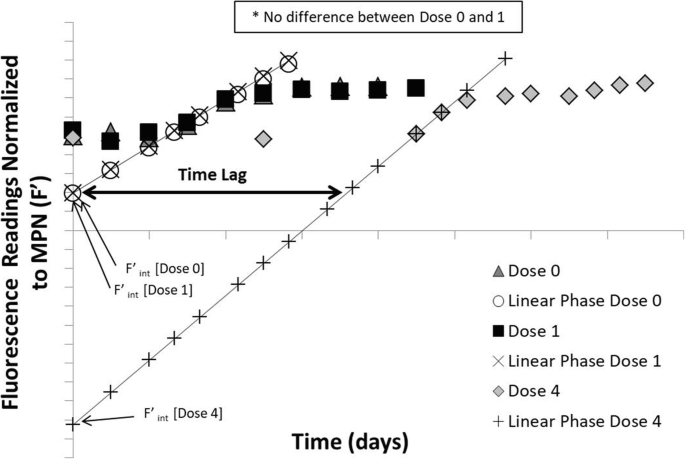
This study shows that six common freshwater microalgae exhibit strongly species‑specific differences in their tolerance to UV‑C disinfection, with some taxa (e.g., Scenedesmus quadricauda, Anabaena flos‑aquae) remaining highly viable while others (e.g., Microcystis aeruginosa, Asterionella formosa) are far more sensitive, providing key insight into the effectiveness of UV‑C treatment as a water‑treatment pre‑treatment strategy
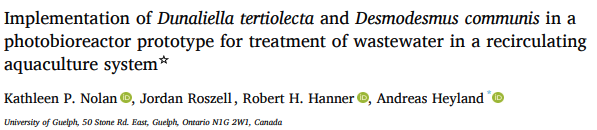
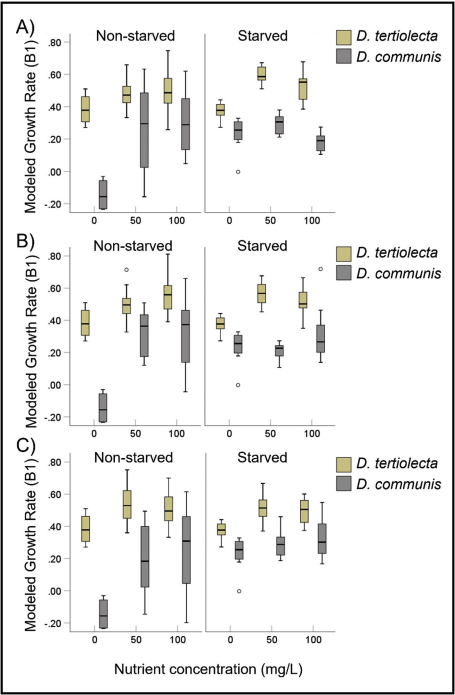
This study develops a high‑throughput algal screening system and demonstrates that species‑specific nitrogen use strategies can inform effective inline photobioreactor design, with Dunaliella tertiolecta successfully growing in a prototype system—supporting the use of PBRs to enhance nutrient removal and sustainability in recirculating aquaculture wastewater treatment.