Evelyn Hoover, MSc Student
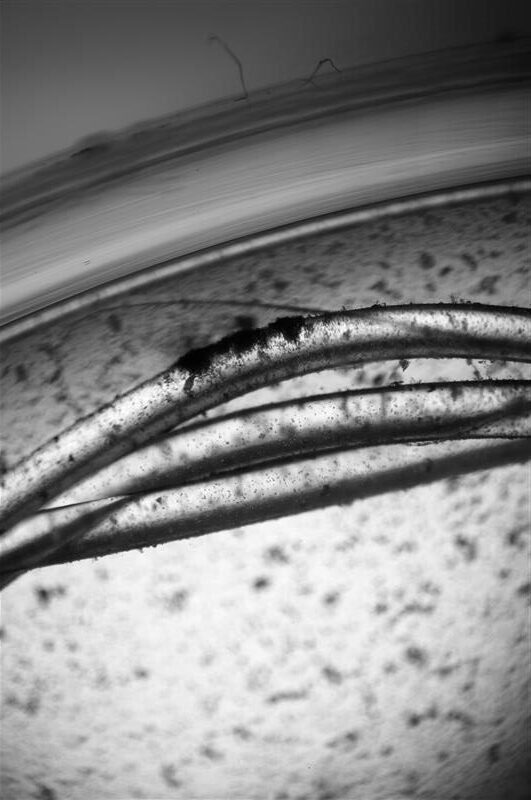
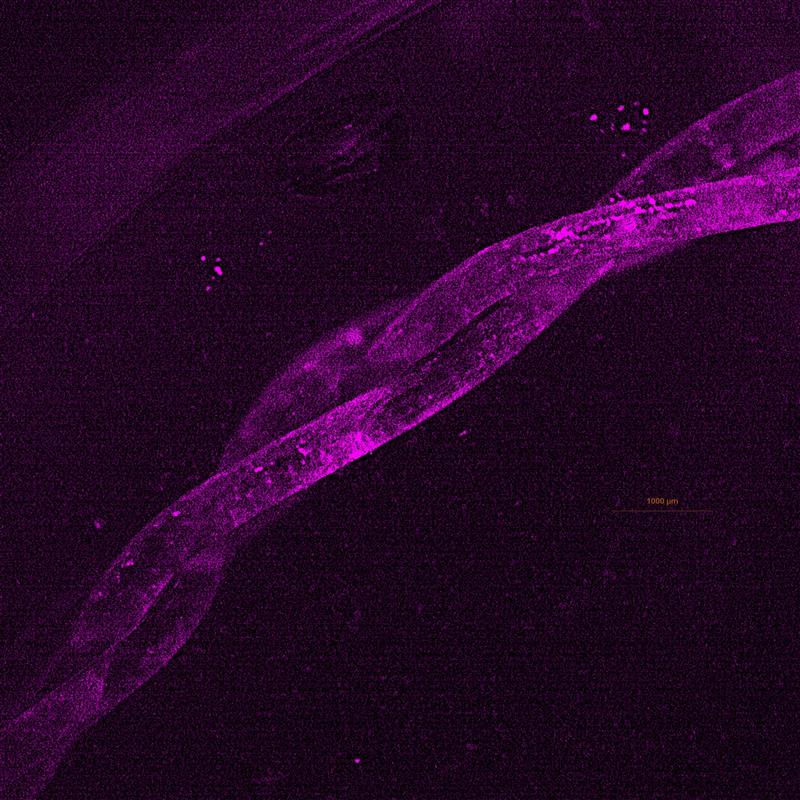
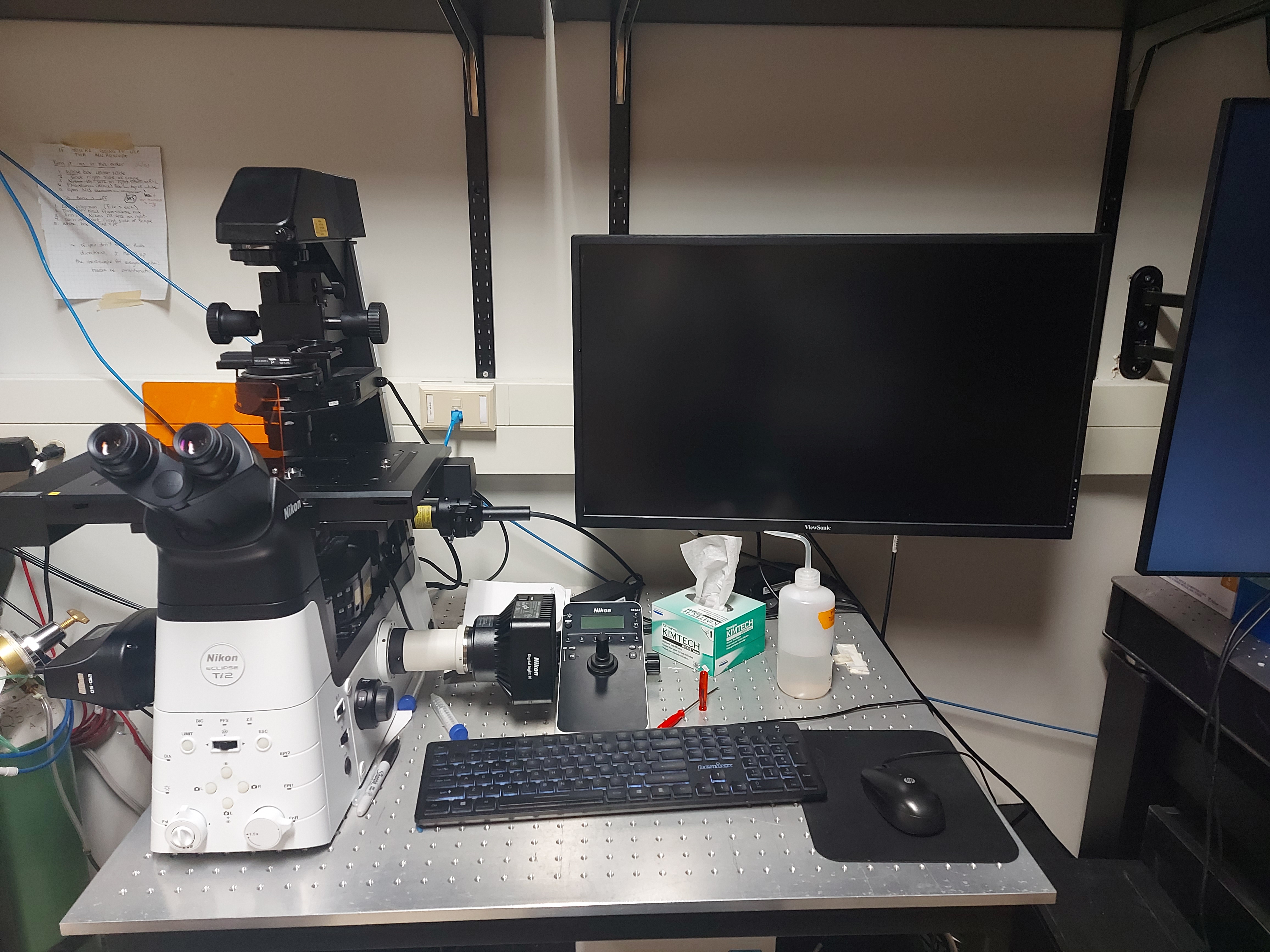
Project title: Analysis of the Composition and Functionality of Mixotrophic Biofilms Grown on Side-Emitting Optical Fibers (SEOFs) in Response to Light Conditions
About me: I did my undergrad in Marine and Freshwater Biology at the University of Guelph from 2020-2025. I initially volunteered in the Heylandlab in 2023, then went on to do an undergrad research project and am now working on my Master’s degree.
Project Abstract
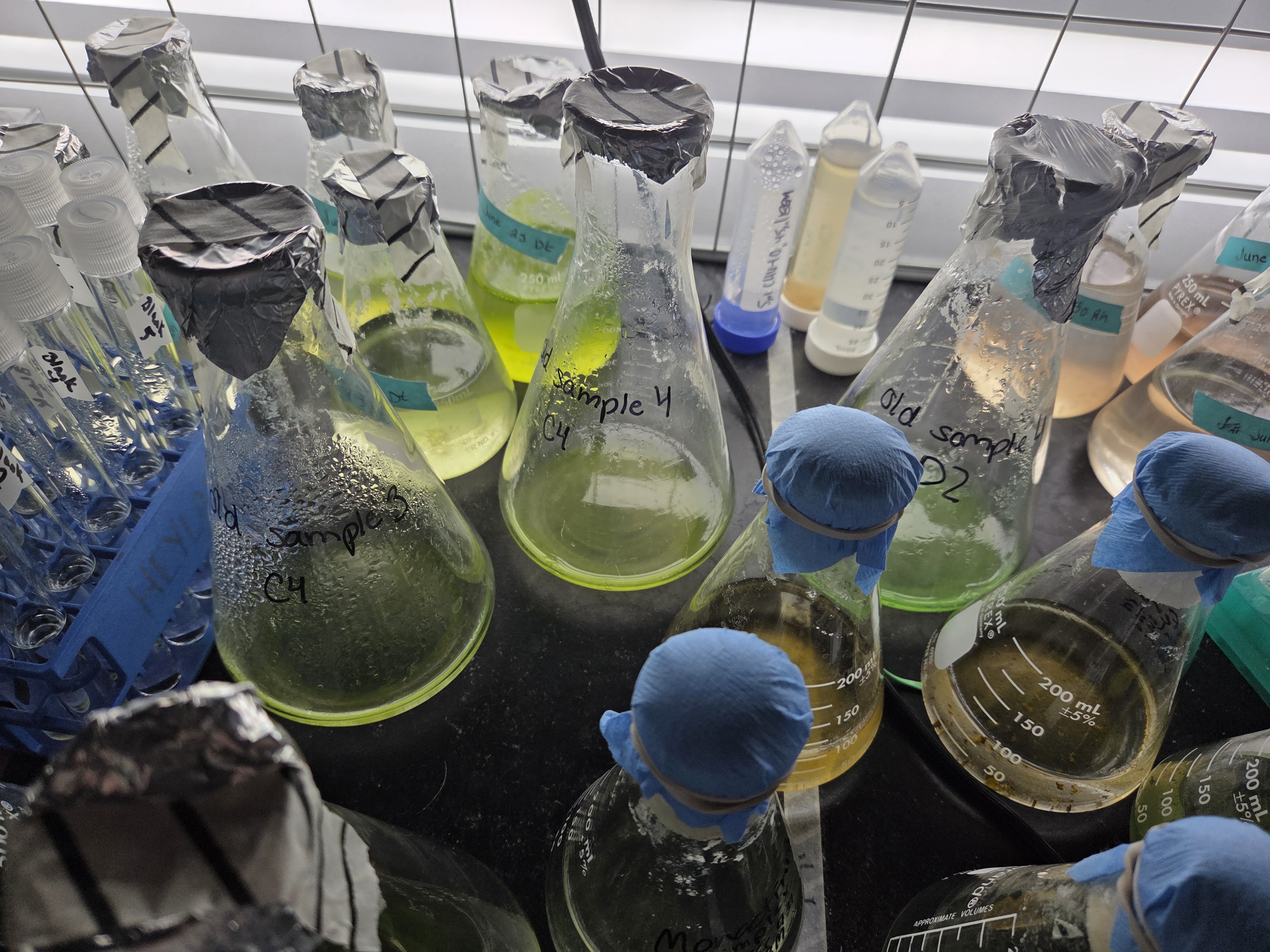
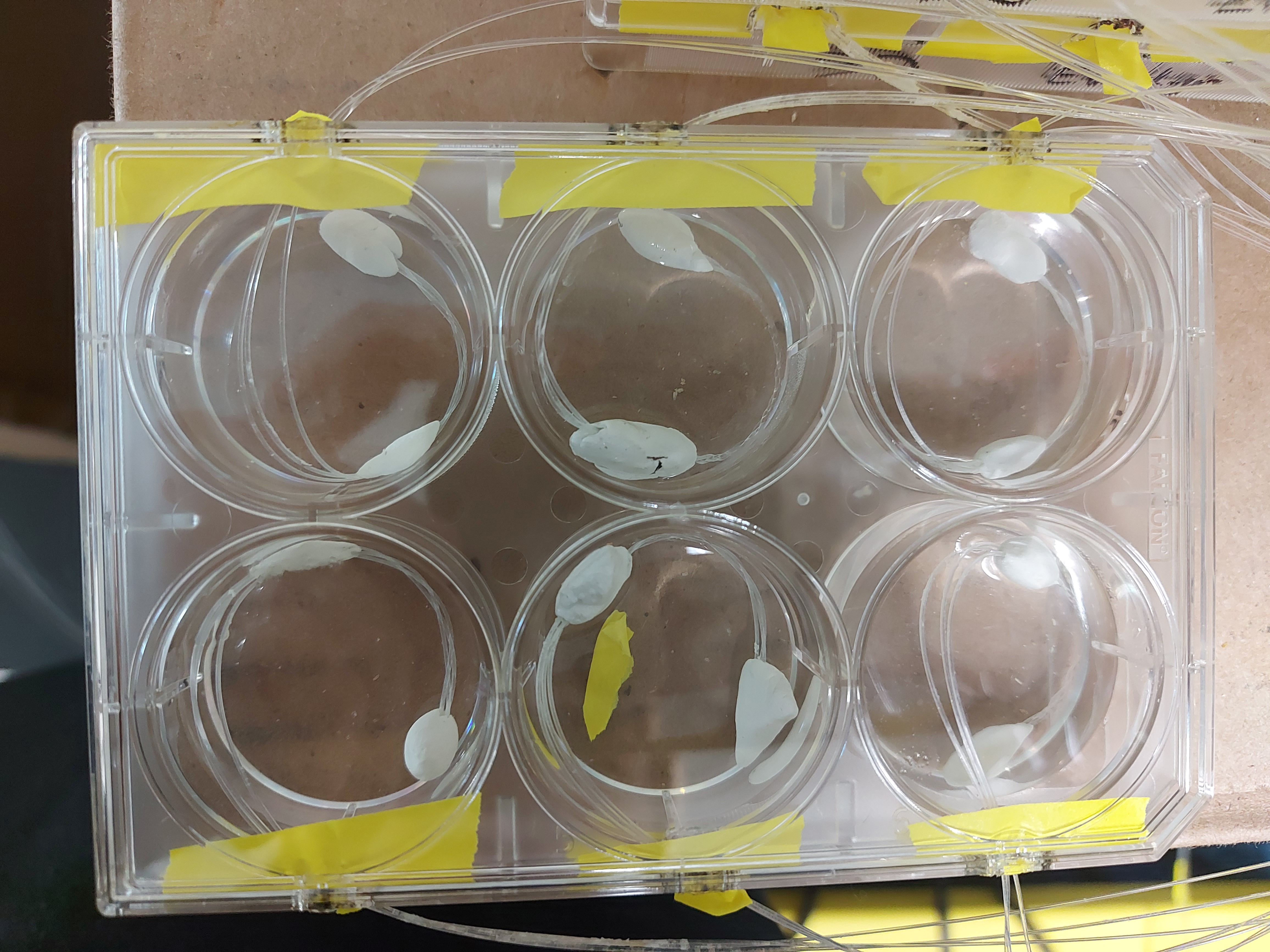
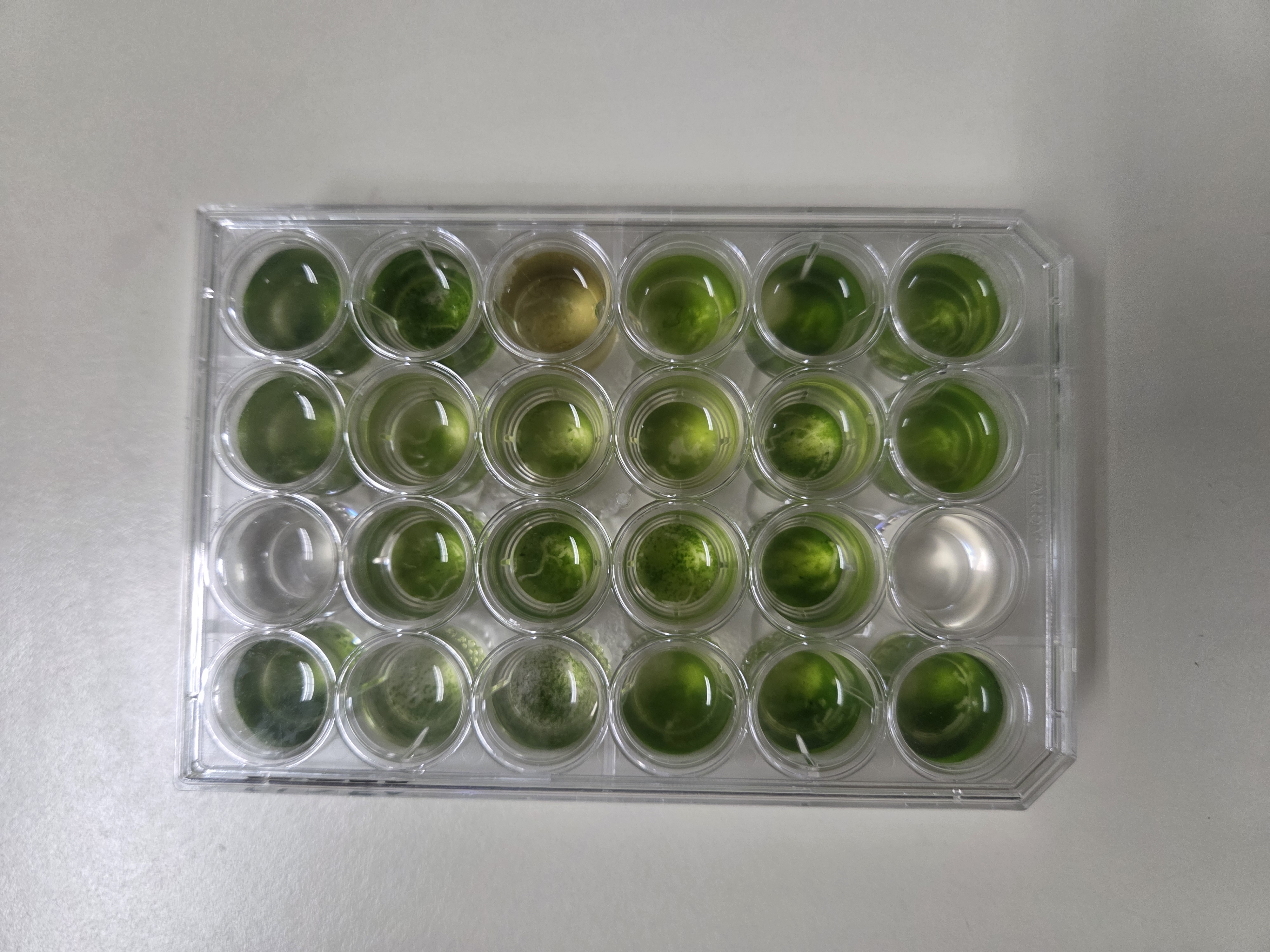
Current methods of wastewater treatment are not meeting the demands of an increasing human population and standards for nutrient levels in effluent. Microalgae provide a sustainable method for wastewater treatment by removing nutrients via photosynthesis, but suspended cultivation systems are inefficient. This study investigates the use of side-emitting optical fibers (SEOFs) as internal light sources and a three-dimensional substrate to optimize light delivery and system resilience. It is hypothesized that microalgae species will respond differently to different light conditions because of differences in pigments and adaptations to light conditions. It is hypothesized that a disruptive light factor will influence the microalgae and bacterial abundance in the biofilms, but it is not predicted that the bacterial species communities will change. Three experiments will be conducted using three unialgal cultures: Monactinus simplex, Nitschia sp., and Pseudanabaena sp. to examine the response of various subgroups of microalgae. Firstly, biofilm recruitment to the fibers is to be monitored over eight weeks under different light quality, periodicity, and intensity conditions. Second, the resilience of established biofilms is going to be tested by exposing them to a disruptive light condition. Lastly, associated bacterial communities are to be genetically sequenced to determine their association with the microalgae in biofilm. Results are predicted to determine that recruitment is maximized under specific red-light spectra and diurnal photoperiods, but decreases with decreasing light intensity. Mature biofilms are expected to lose biomass when exposed to a disruptive light condition, with oxygen production rates mirroring this decline. Bacterial abundance is anticipated to correlate with microalgae abundance, although species compositions are not anticipated to change. This work defines the optimal light regimes for cultivating microalgae biofilms on SEOFs, advancing the development of a compact, efficient, and cost-effective biofilm-based technology for advanced wastewater treatment.
Algae