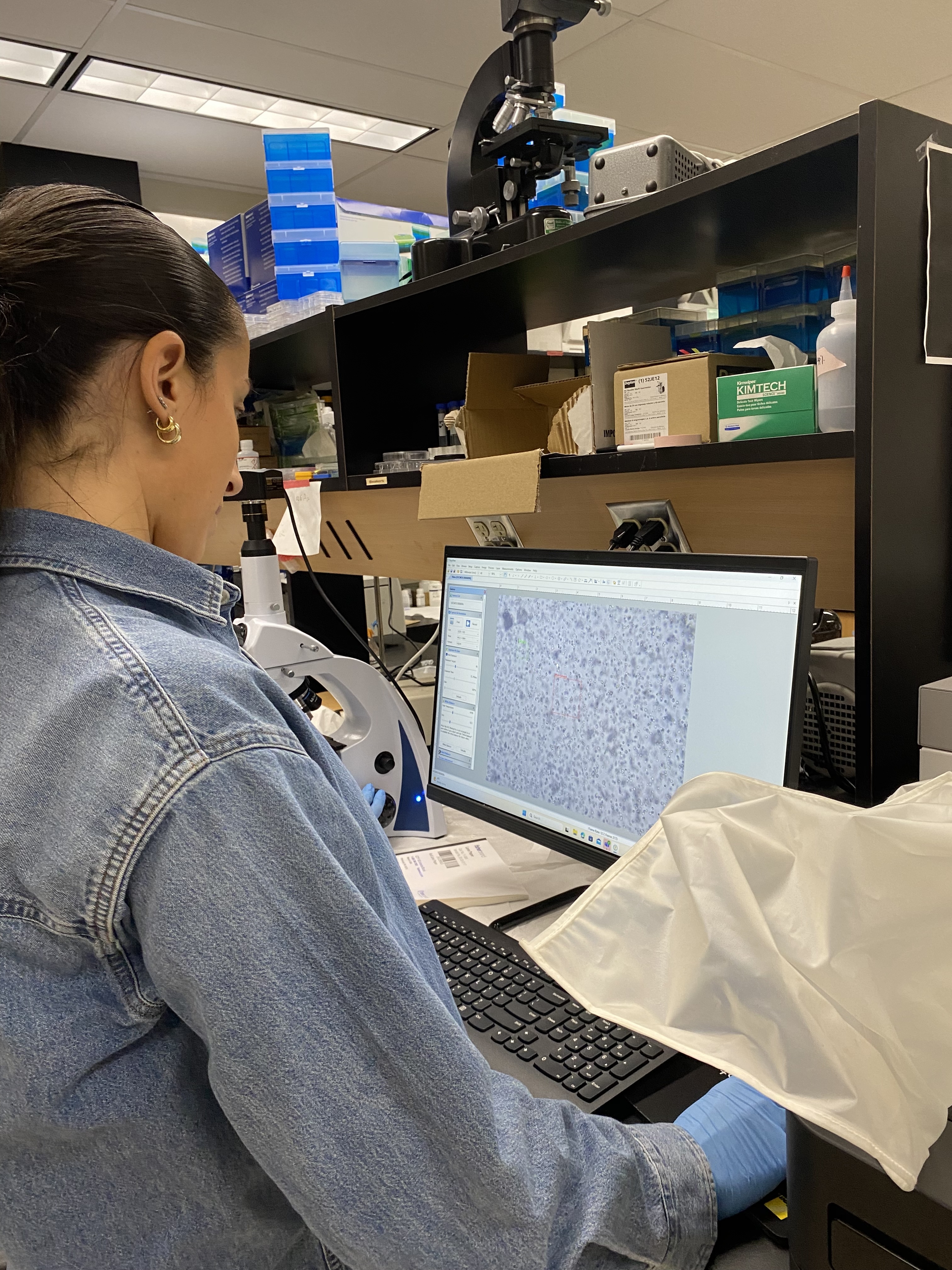
Sarah Locilento, MSc Student
Project title: Integrin Identification and Functional Characterization in Sea Urchin Embryogenesis
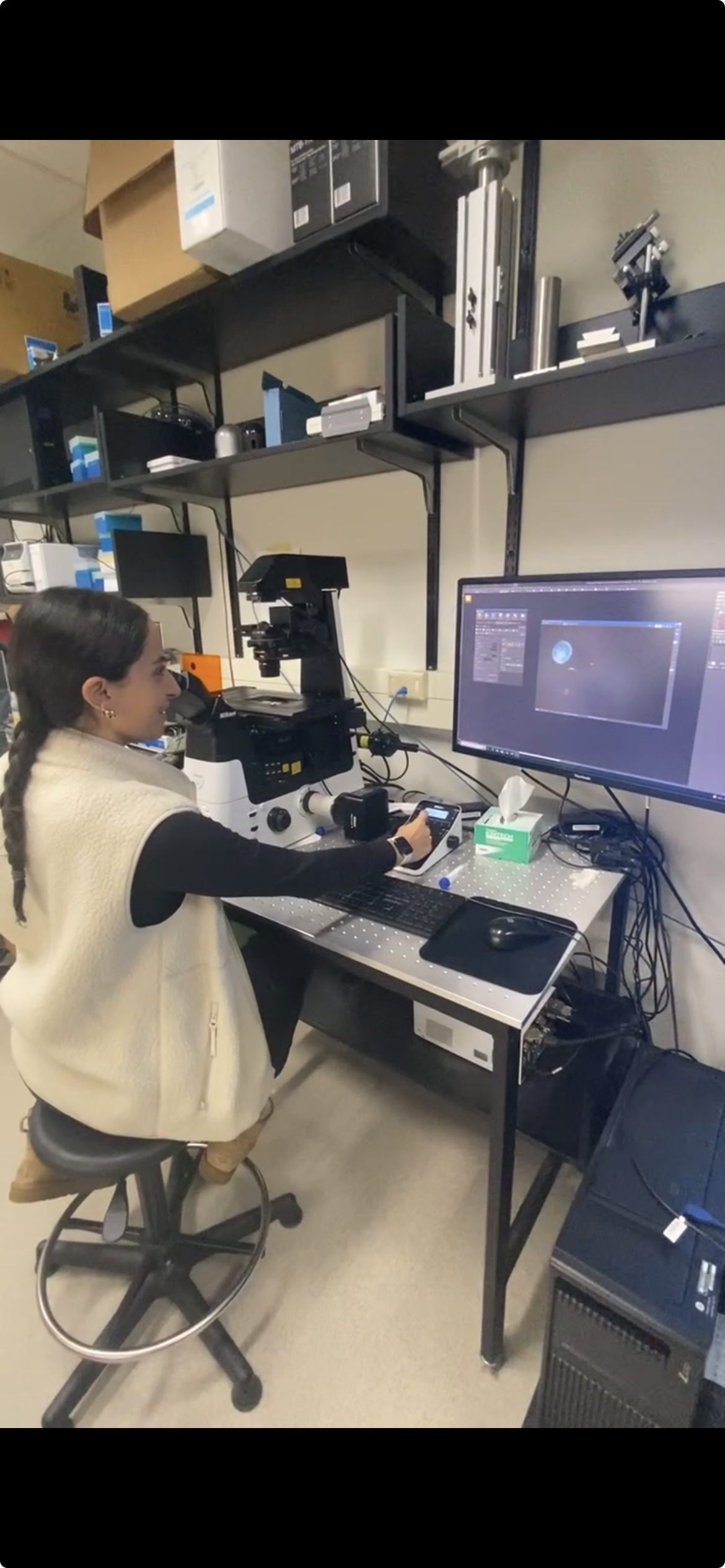
About me: I completed my bachelors of science degree in honours biology at Wilfred Laurier University. I majored in Cell and Molecular Biology & Genetics with a minor in Chemistry. Throughout my degree I gained many valuable skills which equipped me for my future work. Shortly after graduating I began working as an Andrologist and Junior Embryologist at a fertility clinic in Toronto. During my time here I got to experience first hand the work that goes into the creation and maintenance of human embryos. I spent time as a volunteer at Odette Cancer Centre at Sunnybrook hospital where I shadowed Genetic Counsellors and gained experience with phylogenies and patient interactions.
Project Abstract
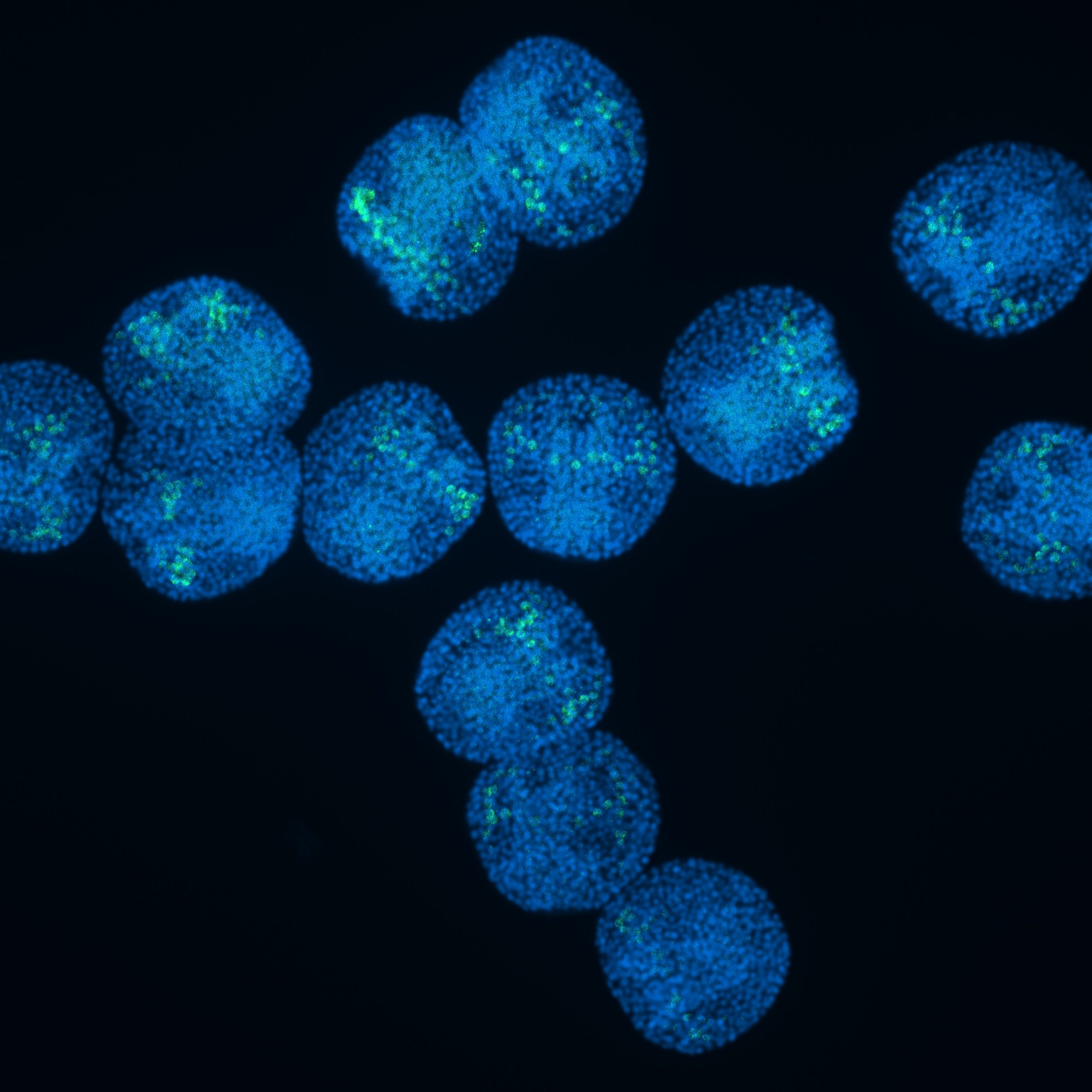
Thyroid hormones (THs) regulate development across metazoans, yet their non-genomic signalling mechanisms in invertebrates remain poorly understood. In the sea urchin Strongylocentrotus purpuratus, thyroxine (T4) accelerates larval skeletogenesis, a process linked to MAPK/ERK1/2 activation downstream of VEGF receptor signalling, which regulates skeletogenic differentiation. However, the membrane receptor mediating this developmental response remains unknown. In vertebrates, Arg-Gly-Asp (RGD)-binding integrins including αVβ3 activate MAPK signalling in response to TH, suggesting a conserved mechanism in echinoderms. Here, we investigate whether RGD integrin dimers contribute to T4-dependent regulation of skeletogenesis during sea urchin embryogenesis. Candidate integrins, including αVβG and αPβ1A, were identified through structural comparisons with vertebrate RGD-binding integrin αVβ3 and are predicted to function as potential TH-binding receptors. Spatial and temporal expression was examined using hybridization chain reaction fluorescent in situ hybridization (HCR-FISH), revealing localization within primary mesenchyme cells responsible for larval skeleton formation. To test functional involvement in TH signalling, vivo morpholino knockdowns targeting candidate integrin subunits were performed. Disruption of integrin function resulted in a delay in the onset of spicule formation and reduced or delayed the acceleration of skeletogenesis normally induced by T4.Immunohistochemistry of phosphorylated MAPK (ERK1/2) was conducted to validate these findings. Together, these findings support a model in which integrin dimers may contribute to non-canonical TH signalling during early sea urchin development. This work provides new insight into membrane-associated hormone signalling pathways and highlights echinoderms as a valuable model for investigating the evolution of endocrine regulation during embryogenesis.
Recent Updates

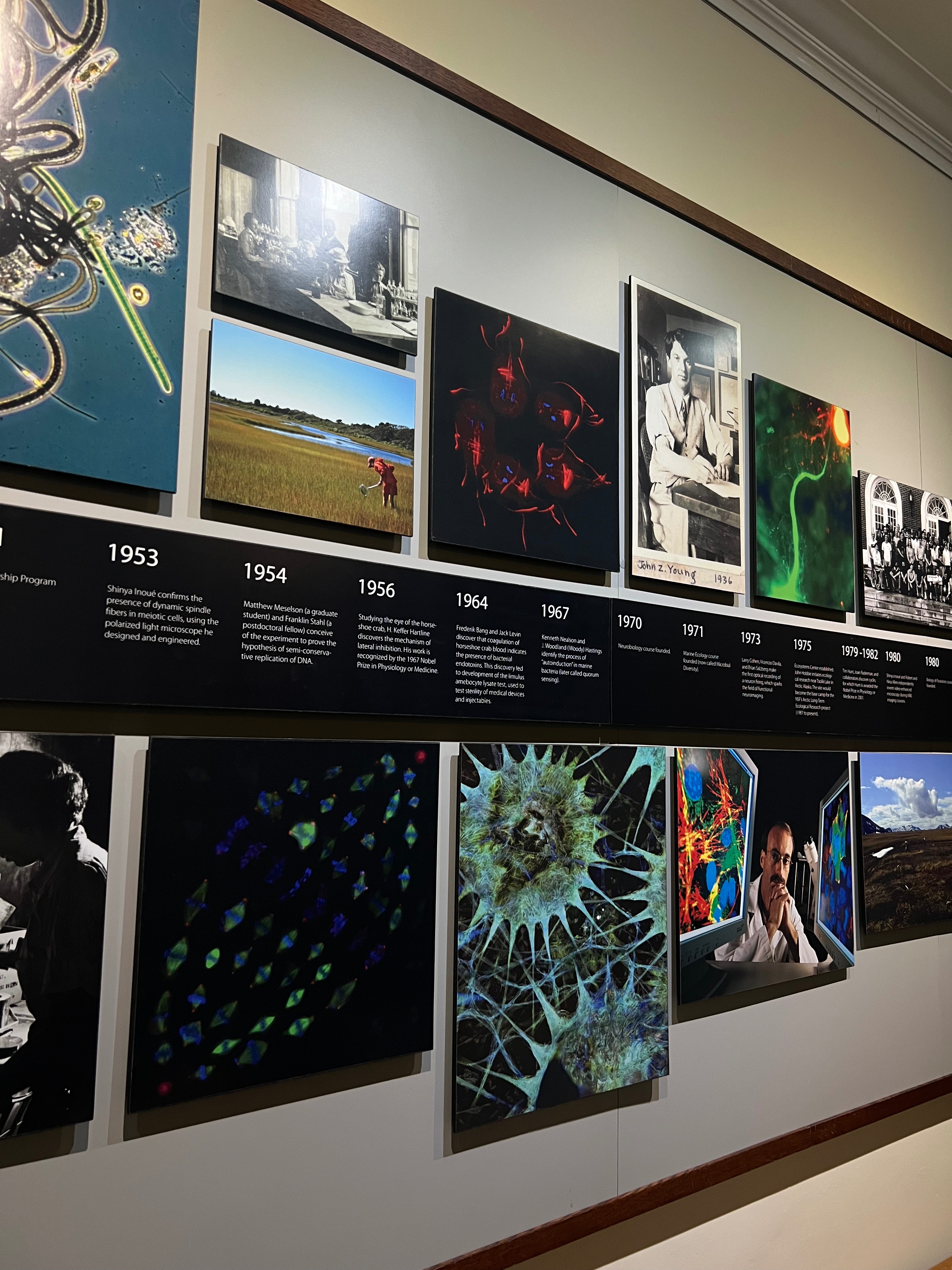
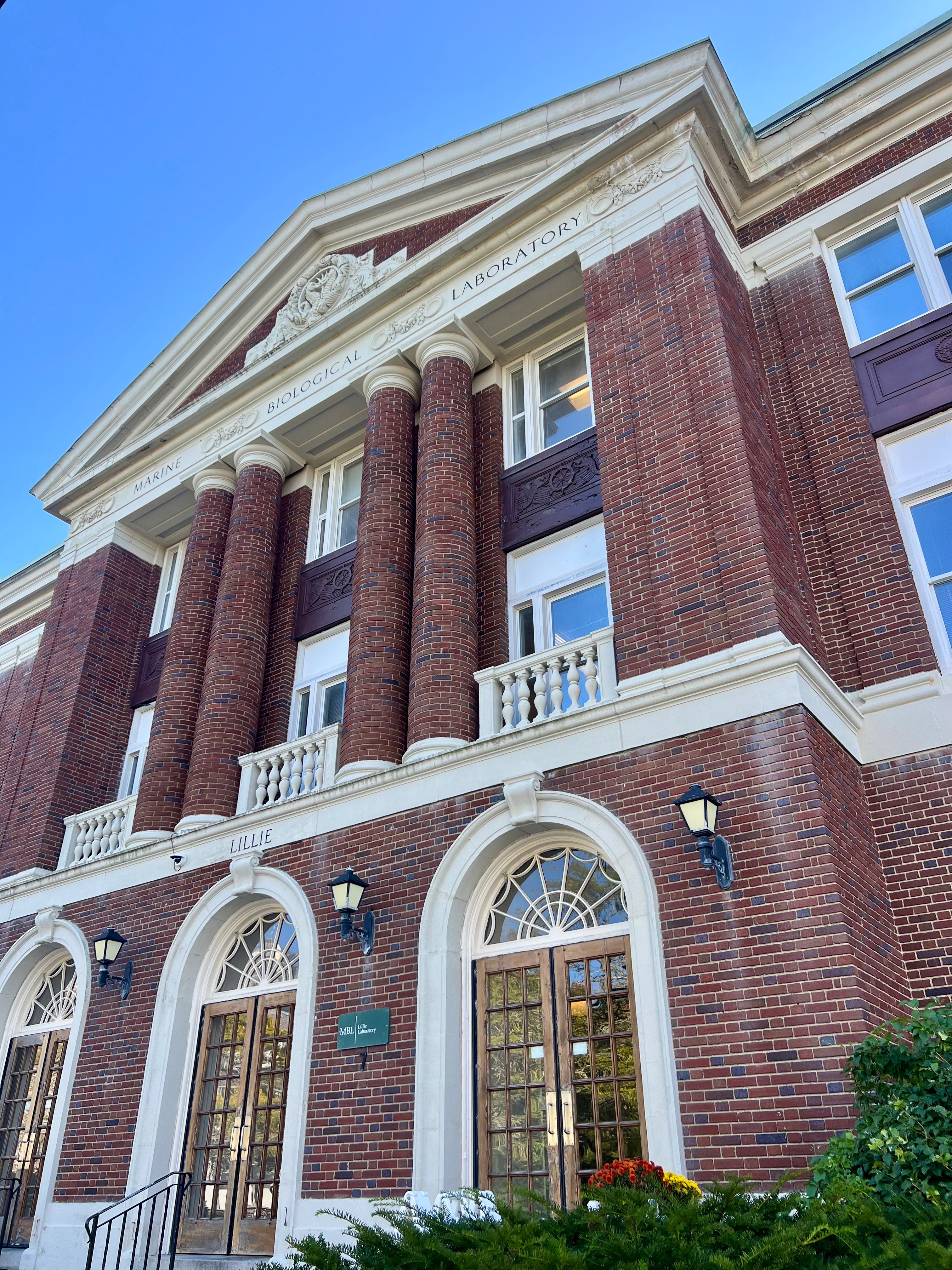
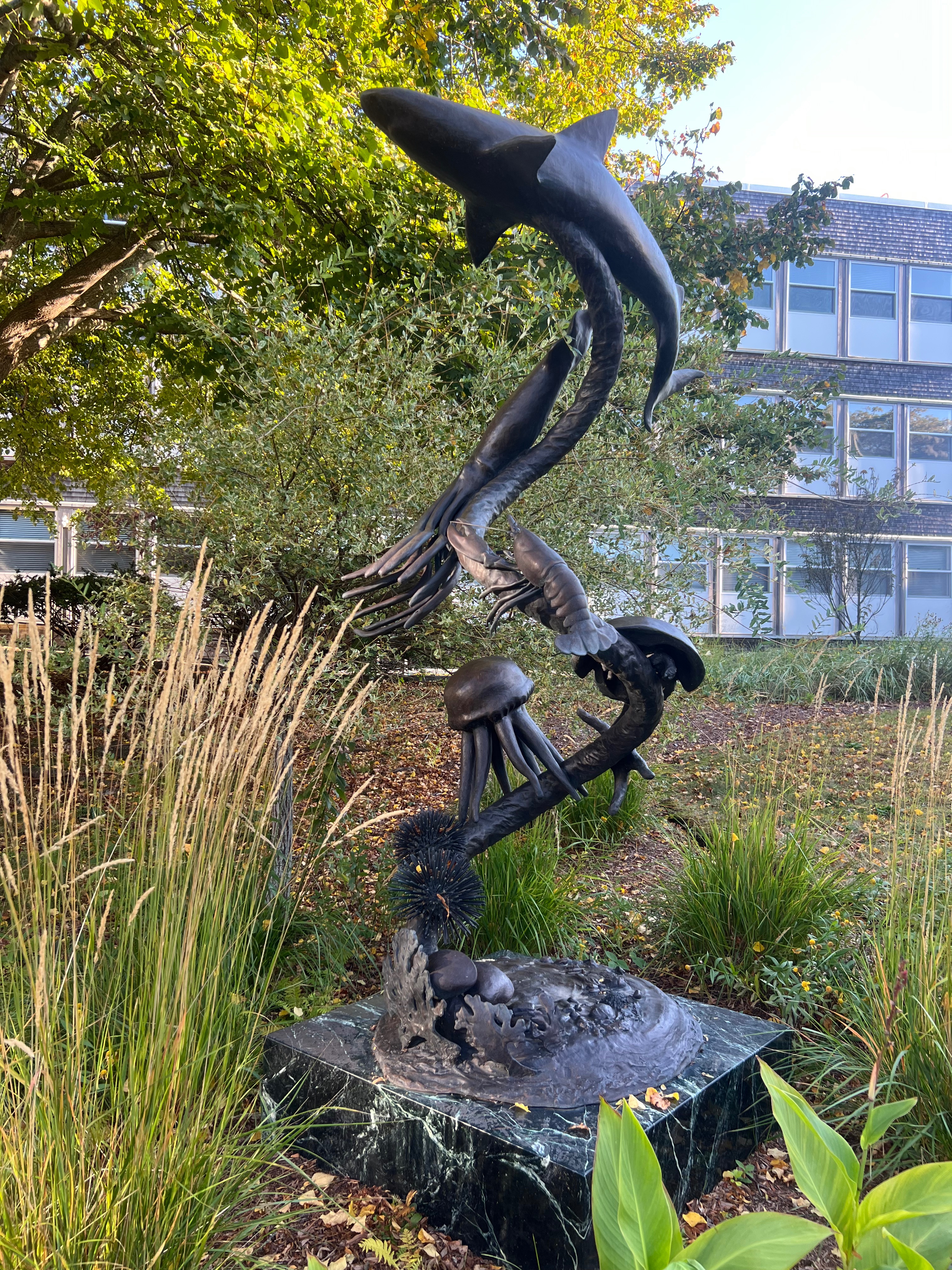
DBSUMI XXIX
Had a wonderful time attending DBSUMI at the Marine Biological Laboratory presenting my recent work and meeting the community.
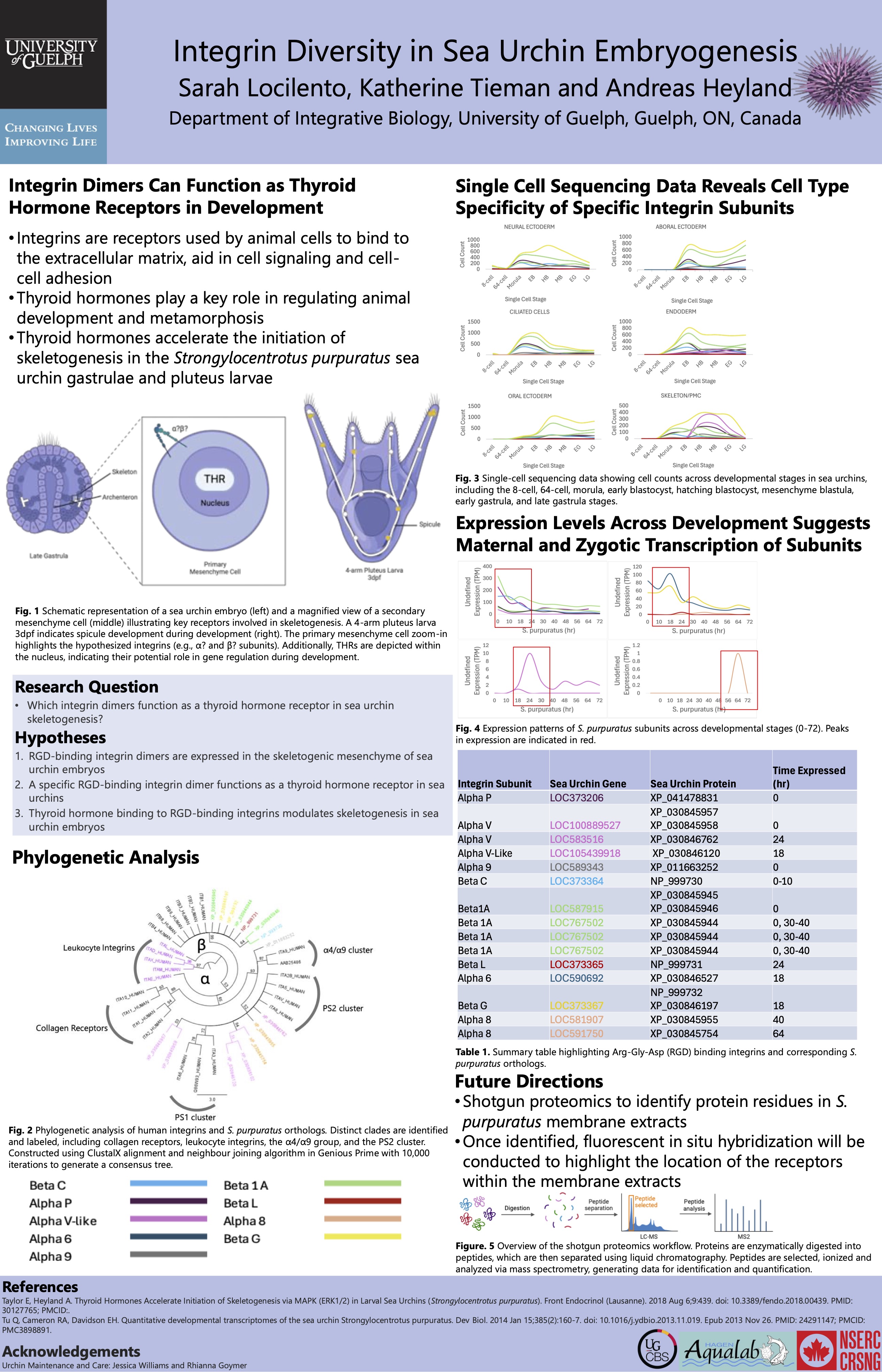
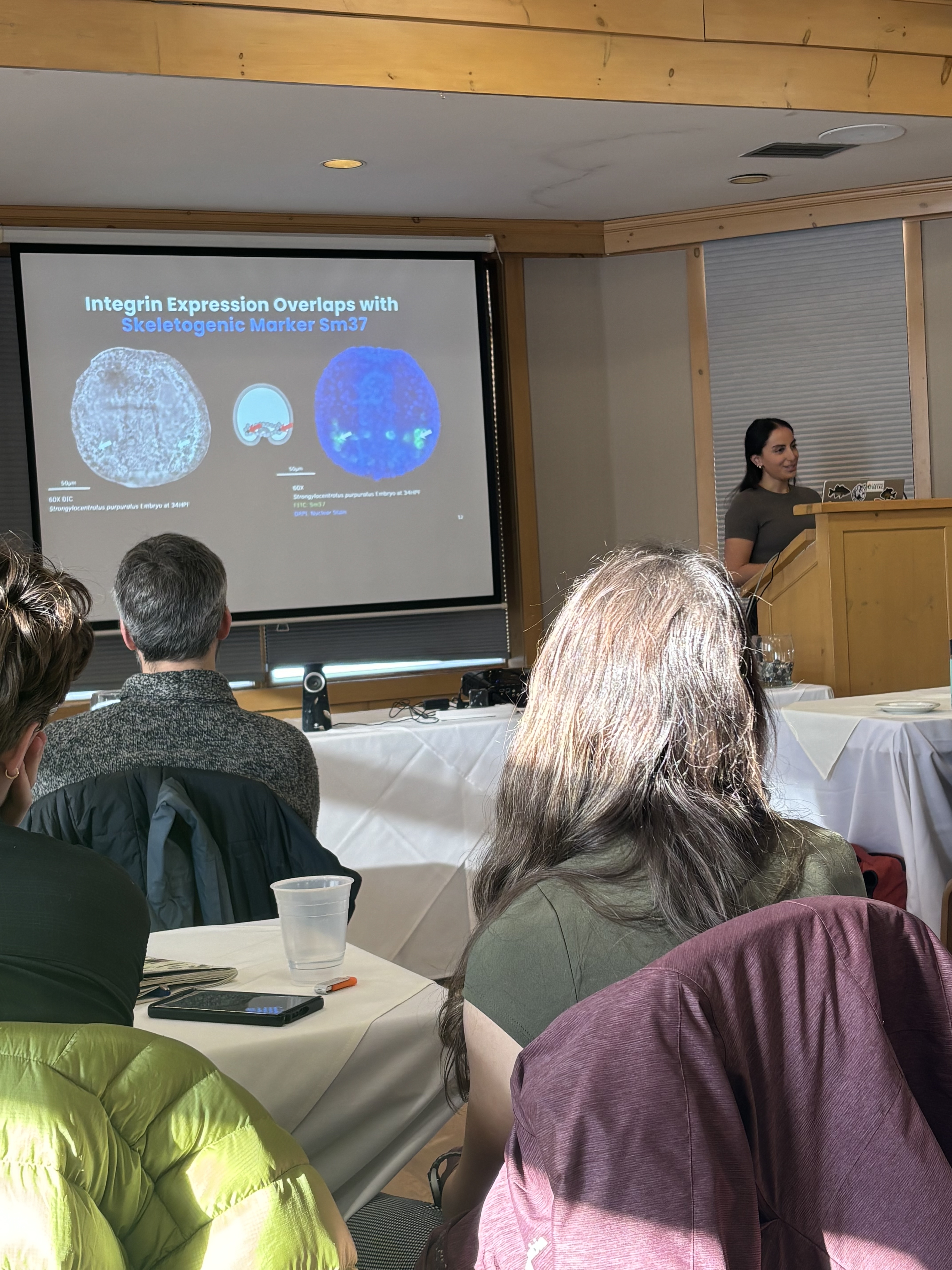
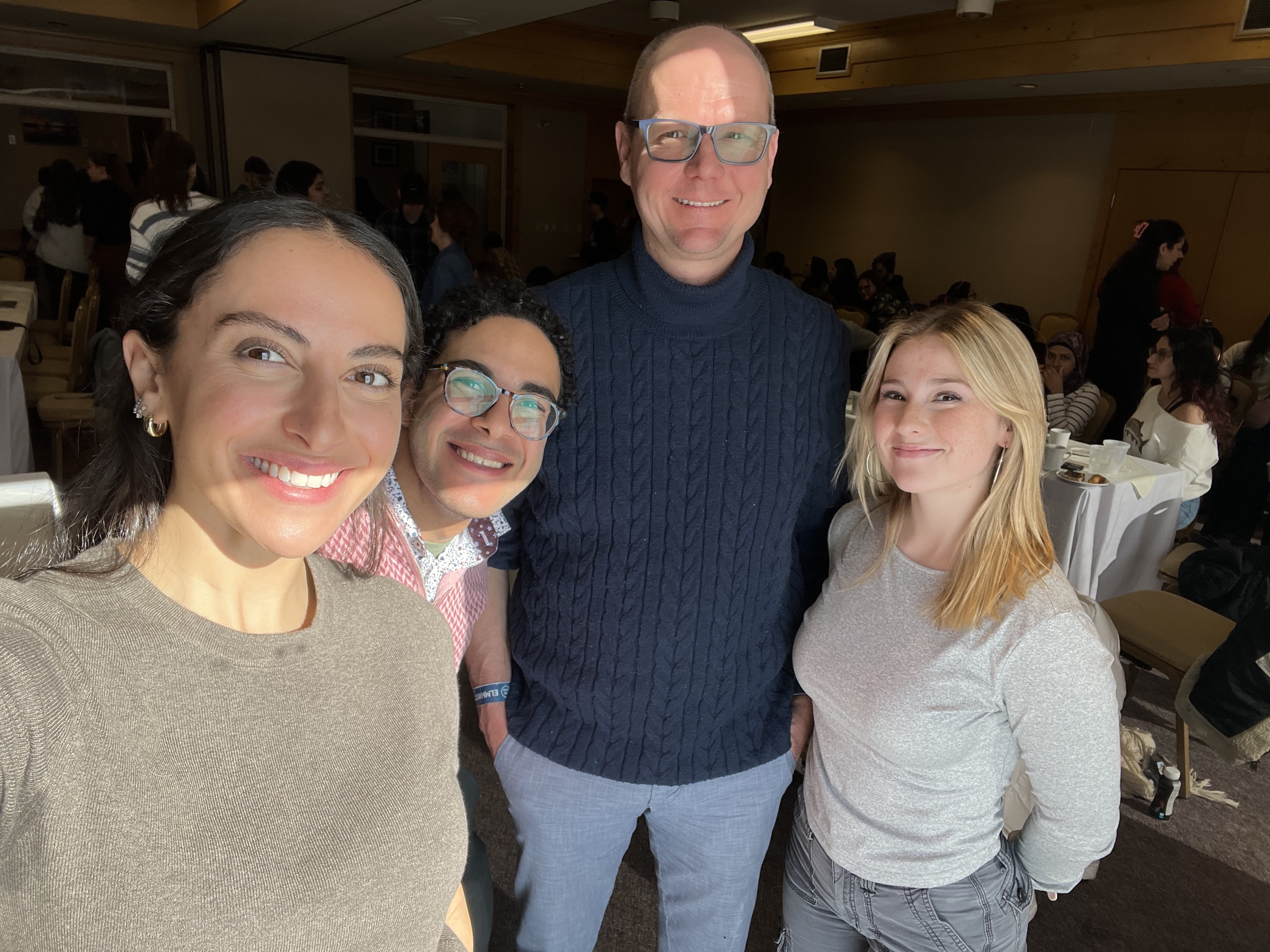
Rice Lake 2025 & 2026
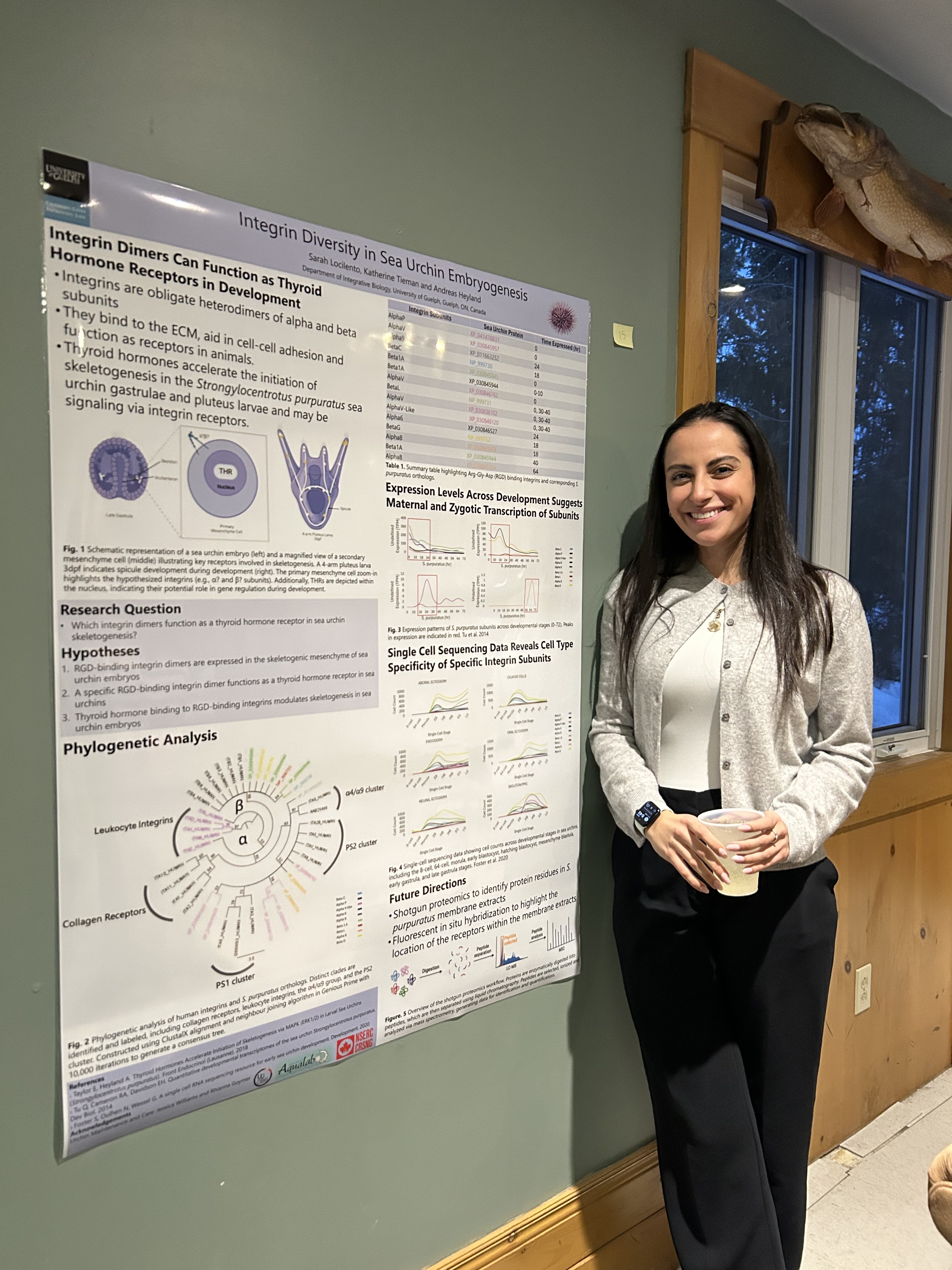
Presented my recent work on integrin mediated thyroid hormone signalling in sea urchin embryogenesis.
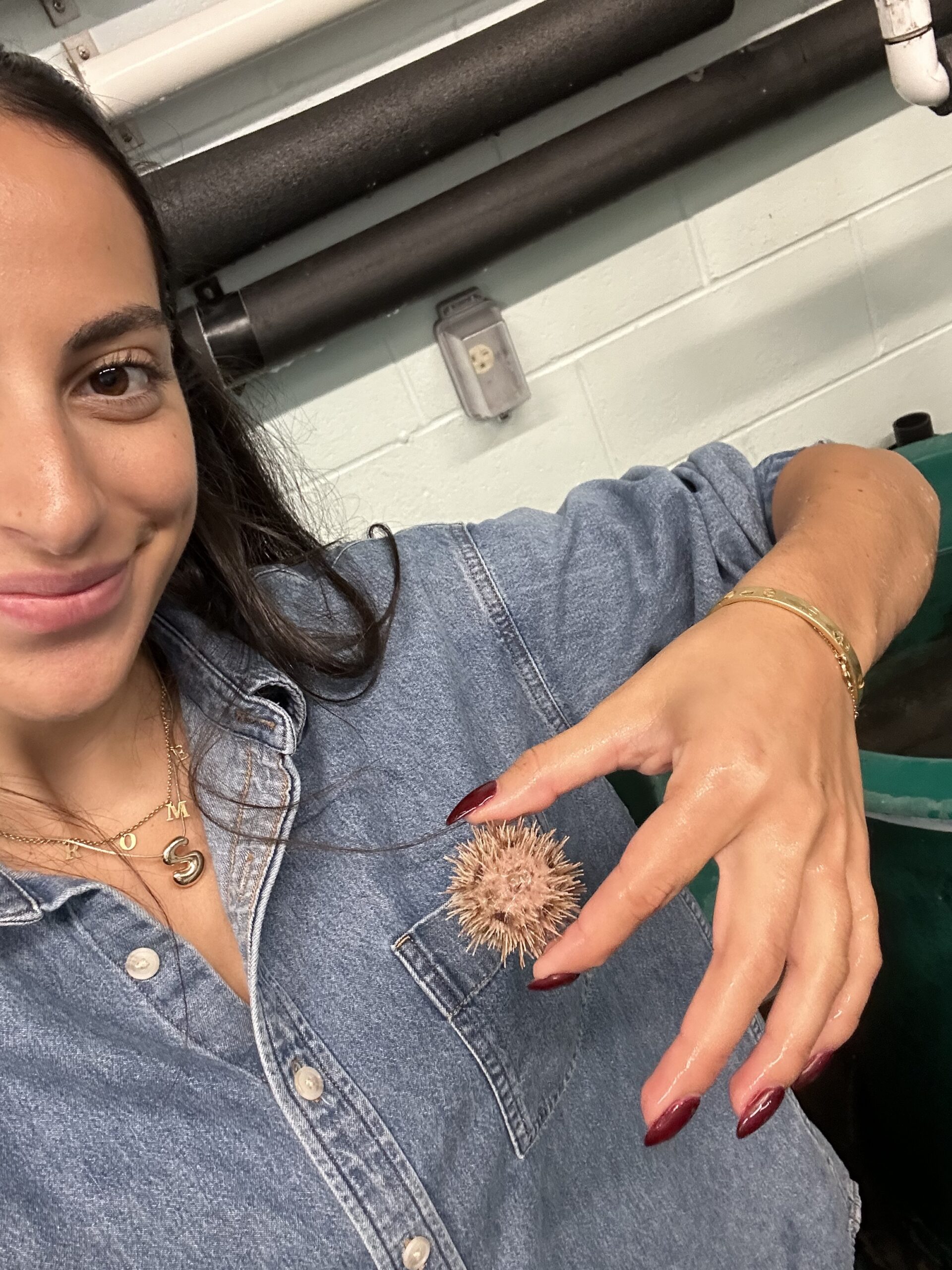
Urchins!