Endocrine Mechanisms of Marine Invertebrate Development
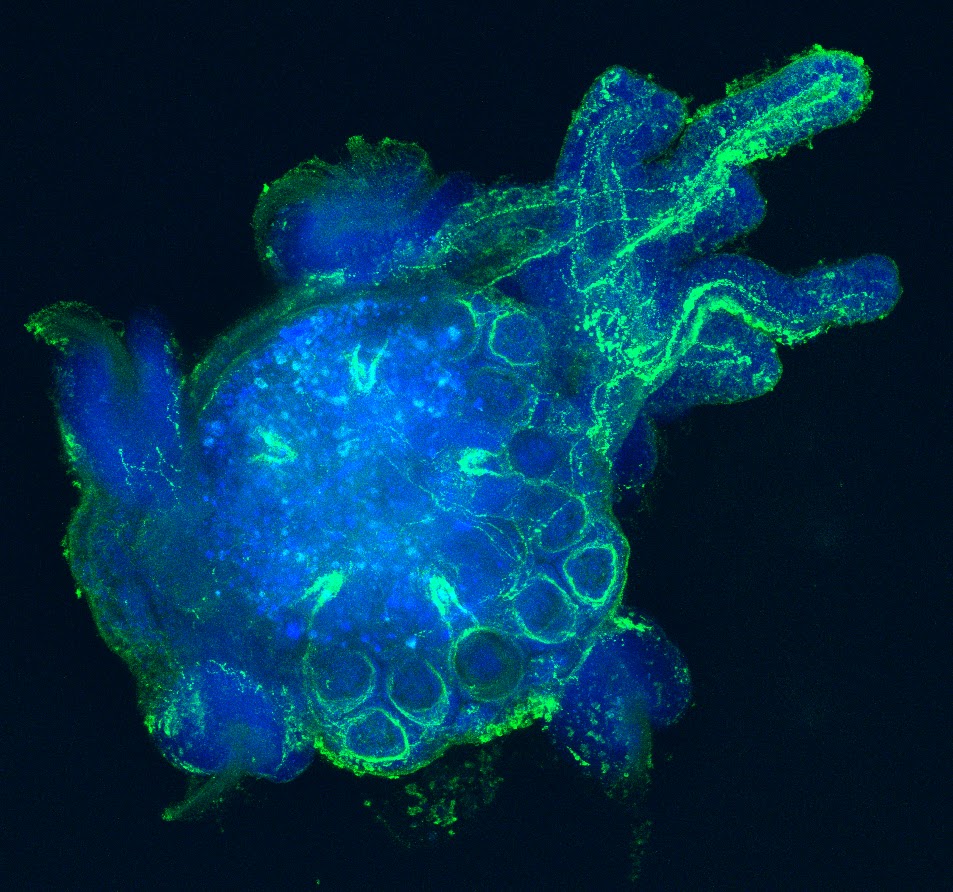
Marine invertebrates rely on diverse endocrine systems to regulate development, metamorphosis, and life‑history transitions. Our research investigates how hormonal signals—particularly thyroid hormones, neuropeptides, and their derivatives—shape cellular, physiological, and morphological processes during embryonic and post‑embryonic development. Using sea urchins and other marine invertebrates as model systems, we integrate experimental embryology, molecular biology, and advanced imaging to reveal how endocrine cues control programmed cell death, skeletal formation, organogenesis, and the acquisition of metamorphic competence. We also examine the evolution of non‑canonical hormone signaling, including membrane‑associated receptors and integrin‑mediated pathways that act independently of classical nuclear hormone receptors. By combining comparative approaches with forward and reverse genetics, we seek to uncover how endocrine pathways diversified across metazoans and how they coordinate complex developmental transitions. This work provides fundamental insights into the origins and evolution of endocrine regulatory systems across the animal kingdom.
Our Work on This Topic

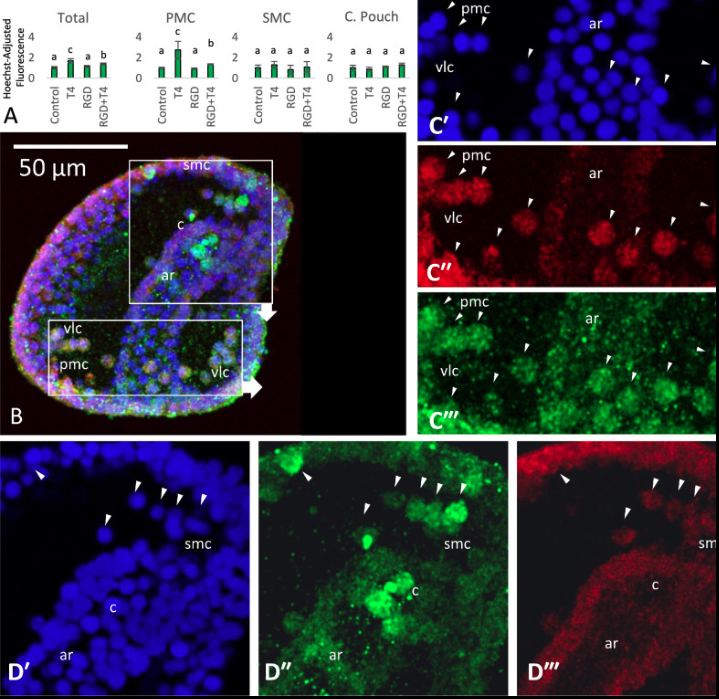
A central paper showing how non‑canonical TH signaling regulates skeletal formation in echinoderm larvae.
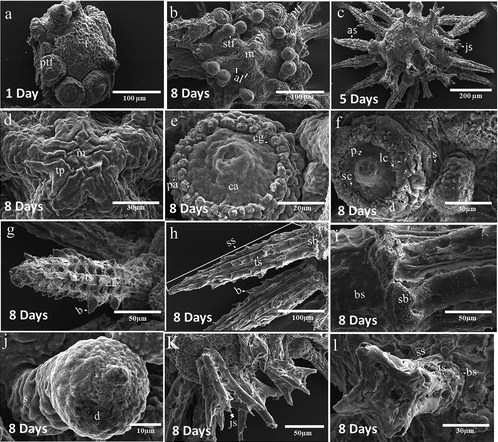
The study shows that juvenile sea urchins develop fully functional feeding structures only after eight days post‑settlement, during which they experience a period of nutritional stress marked by increased FoxO expression associated with nutrient‑signaling pathways (IIS/TOR/FoxO).
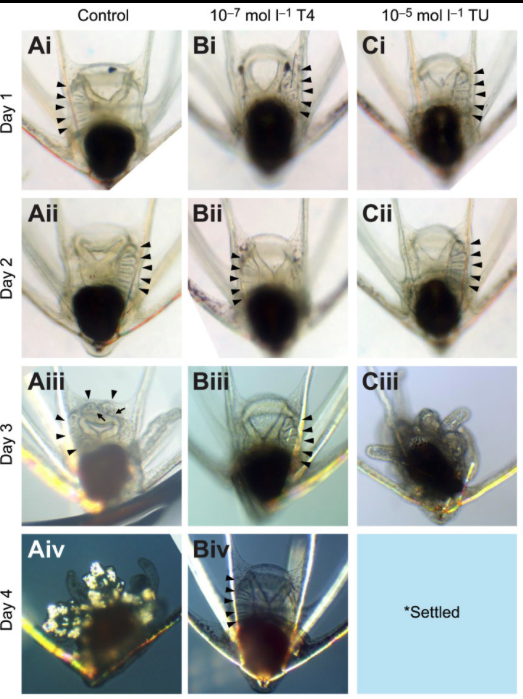
Shows reversible endocrine control of metamorphic timing in echinoderms and also shows that TH regulation of development is more widespread among echinoderms than previously known.